
Nurturing Environmental Responsibility: The Nadeen Way
Education | Date: 17 March 2026 | Location: Bahrain
The Green Zone
At Nadeen School, environmental responsibility is not viewed as an add-on or a one-off initiative. Instead, it is intentionally embedded into the daily conversations, decisions, and actions that shape our school community. We believe that meaningful and lasting change begins with open dialogue that helps learners understand the broader implications of their choices, encourages critical reflection, and empowers them to speak up, ask questions, and challenge the status quo with confidence and purpose.

This philosophy underpins Nadeen’s commitment to sustainability. By equipping learners with both knowledge and meaningful opportunities to take action, the school aims to nurture a generation that understands its shared responsibility to care for the planet and for one another. Sustainability at Nadeen is approached not only as an environmental priority, but as a holistic mindset that connects wellbeing, community, and ethical decision-making.
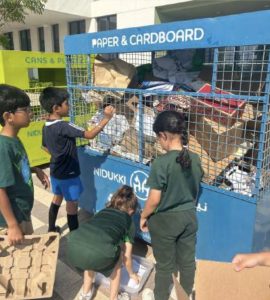
A range of initiatives guide this approach. Waste reduction is a core pillar, alongside promoting reusability and mindful consumption across the school. The use of refillable water bottles is actively encouraged, supporting learners in developing long-term habits that significantly reduce waste. Healthy and sustainable food practices are also a key focus, with local food initiatives shaping the school
café, snack times, and classroom learning. Learners are supported in building positive relationships with food, understanding where it comes from, and recognising how food systems influence both personal wellbeing and environmental sustainability.
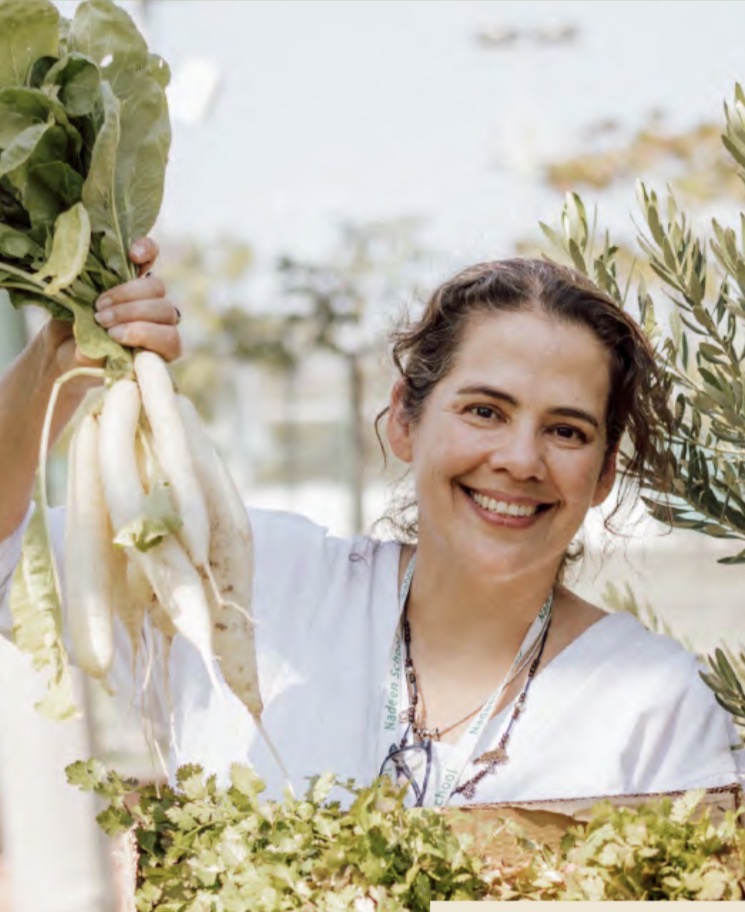
Our organic garden further strengthens learners’ connection with the natural world. Through hands-on involvement in cultivating herbs, flowers, and vegetables, learners deepen their understanding of ecosystems, biodiversity, and seasonal growth. The garden is home to a wide variety of medicinal herbs, flowers, and produce, which are harvested and shared with the wider school community, reinforcing the link between sustainability, wellbeing, and community engagement. Central to bringing these initiatives to life is Nadeen’s strong culture of learner leadership. Learner-led initiatives, such as the Plant Protectors programme, demonstrate this leadership in action by pioneering composting and
promoting eco-friendly behaviours across the school. These opportunities align closely with our WOLF framework (Wonder, Observe, Learn, Flourish), ensuring learners feel valued, supported, and confident to take initiative and lead change.
Beyond the school gates, Nadeen actively engages with the wider community through environmental initiatives such as local beach clean-up events. These experiences strengthen learners’ sense of environmental citizenship and highlight the importance of collective responsibility beyond the classroom.
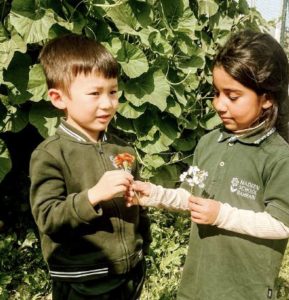
Nadeen School is also proud to participate in this year’s Recycling Warriors League alongside eight other schools. Running from January to May, the competition encourages collective action, with results calculated by dividing the total kilograms of recyclables collected by the number of students, reinforcing shared accountability.
It was also an honour to host the Bahrain Eco-Summit on 11 February in coordination with the Ministry of Education. Welcoming representatives from 100 schools, the Summit focused on sustainability, wellbeing, and community engagement through learner led presentations, planting activities, cooking experiences using locally grown produce, mindfulness sessions, and debates centred on shaping a sustainable future for Bahrain.
Through initiatives such as these, learners not only contribute to protecting the planet, but also develop vital personal and social skills. They learn to act ethically and empathetically, collaborate respectfully, and approach real-world challenges with creativity, flexibility, and confidence. Through dialogue, leadership, and purposeful action, sustainability at Nadeen is not simply taught — it is lived.