
The Summer Balance: Why Play, Activities and Boredom All Matter by Sanam Pourhabib
Health & Wellbeing | Date: 16 June 2025 | Location: Bahrain
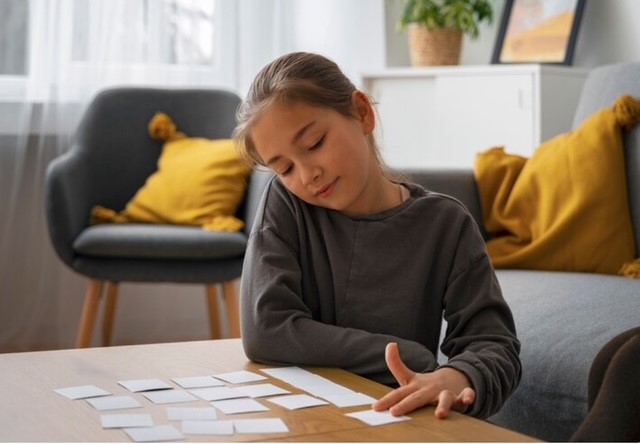
As summer approaches, many parents feel the pressure to plan lots of activities, hoping to make every moment fun and “productive.” What matters more is finding a healthy balance, making space for connection, meaningful play, and yes, even boredom.

Sanam Pourhabib is a licensed and accredited person-centred psychotherapist and the founder of Sans Therapy (@sanstherapy). Alongside her practice, Sanam provides mental health counselling at St. Christopher’s School Bahrain. For more information, visit www.sanstherapy.com.
The Power of Play
Play isn’t just a way for children to pass the time — it’s essential for their emotional, cognitive, and social development. Through play, they make sense of the world without the pressure to be perfect, building self-awareness and resilience. Whether they’re storytelling, pretending, creating, or role-playing, children explore a range of emotions while learning to cope with loss, navigate setbacks, and find the courage to try again.
The Gift of Boredom
While travel and organised activities have their place, leaving space for your child to experience boredom is just as necessary. It’s a valuable pause that supports emotional regulation, flexible thinking, and self-motivation. Boredom encourages children to turn inward, listen to their own thoughts, and problem solve on their own.
Here are a few practical strategies:
Frame boredom as a good thing – When your child says, “I’m bored,” say: “Boredom is just your brain taking a break or getting ready to try something new.” Offer “starter” activities – Set out art materials, books, outdoor equipment, games or building blocks, then step back. Let your child choose how (or if) they want to engage.
Blend planned and free time – Summer camps, sports, or learning a new skill, can be valuable, but leave a few unscheduled days each week for creativity and spontaneous play.
Incorporate quiet moments – Reading, journaling, puzzles, and mindfulness exercises like a gratitude jar can help children slow down and recharge.
Set screen boundaries – Limit screen time (TV, tablets, phones, and gaming) to 1 – 1.5 hours per day for children under 14. These boundaries should stay consistent wherever your child spends time, including at their grandparents.
Model emotional acceptance – When your child feels uncomfortable, say: “It’s okay to not know what to do next. I trust you’ll figure it out.”
Celebrate initiative – When your child starts a project or solves a problem, acknowledge the process: “I love how you came up with that on your own.”
Let Them Be
This summer, focus less on filling every moment and more on giving your child the space to figure it
out. Whether they’re playing or doing nothing at all, these unstructured moments encourage a mindset of “thinking outside the box” — a skill that will carry them far beyond summer.